

Luxury Fashion The Evolution of Style, Status, and Modern Elegance
Introduction to Luxury Fashion
Luxury fashion has always occupied a unique space in global culture. It is more than clothing, handbags, watches, or shoes—it represents identity, craftsmanship, exclusivity, and aspiration. For decades, luxury fashion houses have shaped trends, influenced art and entertainment, and defined what elegance means in different generations. From handcrafted couture gowns in Paris to modern street-luxury collaborations, the industry continues to evolve while maintaining its aura of prestige.
In today’s world, luxury fashion is no longer limited to the elite few. Social media, digital marketing, and global accessibility have transformed the way consumers interact with high-end brands. People now follow runway shows online, purchase designer products through apps, and participate in luxury culture regardless of location. This shift has made luxury fashion more visible than ever while also creating new challenges around exclusivity, sustainability, and authenticity.
This article explores the world of luxury fashion in depth, including its history, importance, leading brands, craftsmanship, sustainability, consumer behavior, and future trends. Whether someone is a fashion enthusiast or simply curious about the luxury market, understanding this industry reveals how deeply fashion connects with culture, business, and personal expression.
The Meaning and Essence of Luxury Fashion
Luxury fashion refers to premium clothing, accessories, footwear, jewelry, and lifestyle products created with exceptional quality, superior craftsmanship, and strong brand heritage. Unlike fast fashion, luxury items are designed with attention to detail and are often produced in limited quantities. This exclusivity increases their value and desirability among consumers.
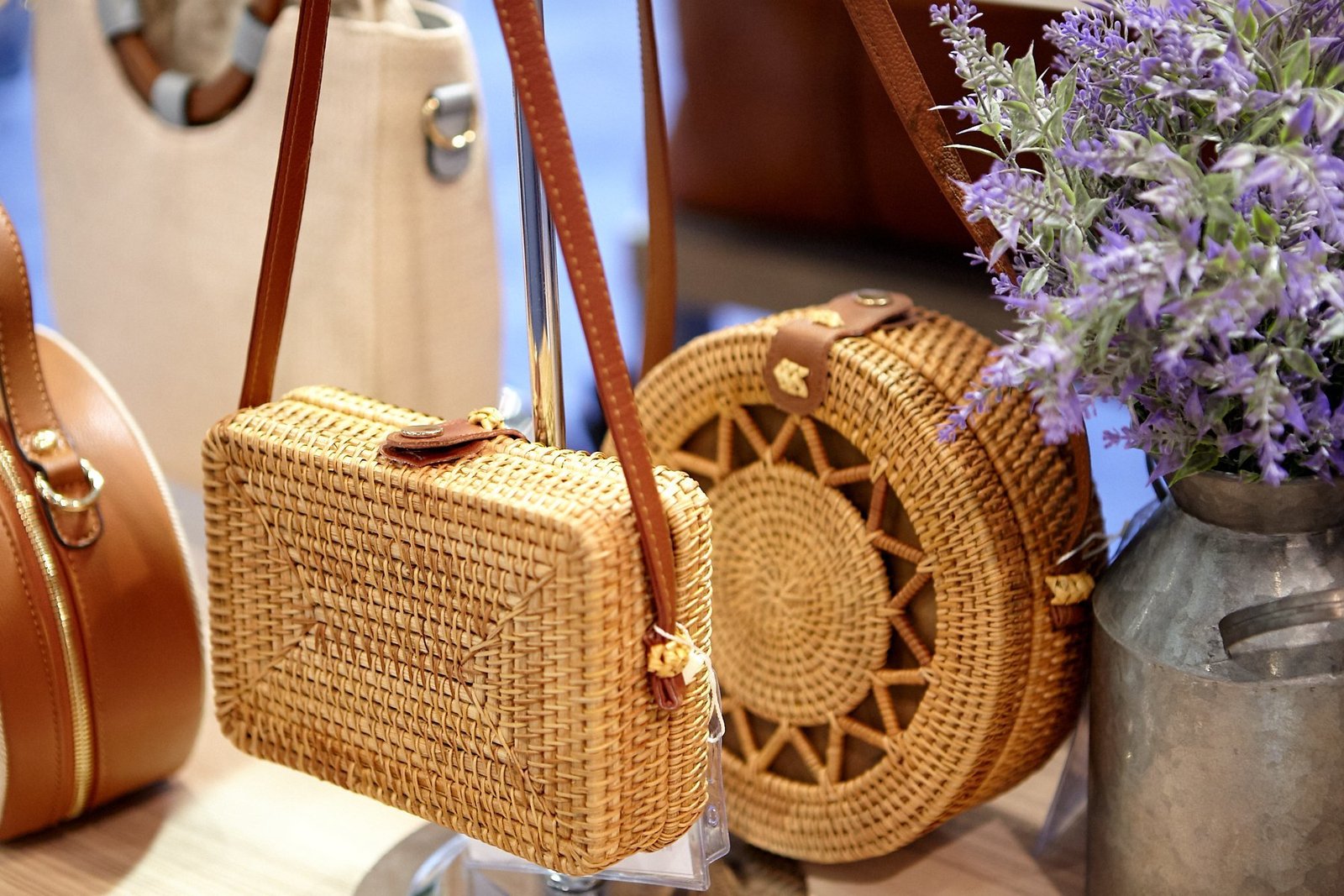
One of the defining characteristics of luxury fashion is craftsmanship. High-end brands invest heavily in skilled artisans who spend hours or even days creating a single item. Hand-stitched leather bags, tailored suits, and couture dresses require technical expertise that cannot easily be replicated by mass-market manufacturers. This dedication to quality is one reason luxury goods often maintain their value over time.
Another essential aspect of luxury fashion is emotional appeal. Consumers are not simply purchasing products; they are buying a story, reputation, and lifestyle. Wearing a designer outfit or carrying a luxury handbag often creates a sense of confidence and status. Luxury brands understand this psychological connection and carefully shape their image through advertising, celebrity endorsements, and exclusive experiences.
Luxury fashion also reflects cultural identity and artistic creativity. Designers frequently use fashion as a form of expression, introducing collections inspired by history, politics, architecture, music, and global traditions. Because of this, luxury fashion often becomes part of larger cultural conversations rather than existing solely as a commercial industry.
The History of Luxury Fashion
The roots of luxury fashion can be traced back centuries, particularly in Europe where aristocrats and royal families commissioned custom garments from skilled tailors and dressmakers. During the Renaissance period, elaborate fabrics, embroidery, and jewelry symbolized wealth and social rank. Fashion became a visible marker of status among the upper classes.
The modern luxury fashion industry began to take shape in the 19th century with the rise of haute couture in Paris. Designers started creating made-to-measure garments for wealthy clients, establishing fashion houses that would later become global icons. Paris quickly became the center of luxury fashion, attracting elite consumers from around the world.
In the 20th century, luxury fashion expanded significantly due to industrialization, global trade, and media influence. Fashion magazines, Hollywood films, and celebrity culture introduced designer brands to wider audiences. Luxury houses began producing ready-to-wear collections alongside couture, allowing more consumers to access high-end fashion.
The late 20th and early 21st centuries brought globalization and digital transformation. Luxury brands opened stores across Asia, the Middle East, and other emerging markets. Online shopping and social media further accelerated growth, making luxury fashion accessible to younger generations. Today, the industry continues to evolve while preserving its historical foundation of exclusivity and craftsmanship
Why Luxury Fashion Matters in Modern Society
Luxury fashion plays an important role beyond aesthetics. It influences economies, employment, art, culture, and even technology. Major fashion houses generate billions of dollars annually and support industries such as textiles, retail, marketing, logistics, and tourism. Fashion weeks alone attract international attention and contribute significantly to local economies.
Luxury fashion also serves as a form of self-expression. People use clothing and accessories to communicate personality, ambition, creativity, and social identity. Designer fashion often helps individuals feel more confident and empowered, especially in professional and social environments. This emotional connection explains why consumers are willing to invest heavily in premium products.
Another reason luxury fashion matters is its influence on mainstream trends. Many designs that appear in everyday stores are inspired by luxury runway collections. High-end brands act as creative leaders, experimenting with colors, silhouettes, fabrics, and concepts that later become popular across the broader fashion market.
Additionally, luxury fashion contributes to cultural preservation. Many heritage brands continue to use traditional techniques passed down through generations. Hand embroidery, leatherworking, weaving, and tailoring remain alive because luxury houses invest in skilled craftsmanship. In this sense, luxury fashion protects artistic traditions while adapting them for modern audiences.
The World’s Most Influential Luxury Fashion Brands
Several luxury fashion brands have achieved legendary status through decades of innovation, craftsmanship, and branding. These companies are recognized globally and continue to shape the direction of the fashion industry.
Chanel
Chanel is widely associated with timeless elegance and sophistication. The brand revolutionized women’s fashion by introducing practical yet stylish designs. Its iconic tweed jackets, quilted handbags, and perfumes remain symbols of luxury around the world.
The brand’s influence extends beyond clothing. Chanel represents refinement, femininity, and understated glamour. Its runway shows and marketing campaigns consistently maintain an image of exclusivity while appealing to modern consumers.
Chanel’s long-standing commitment to craftsmanship has helped preserve its reputation. Even in an era dominated by fast-changing trends, the brand continues to prioritize quality and heritage.
Louis Vuitton
Louis Vuitton began as a luggage company and evolved into one of the most valuable luxury brands globally. Known for its monogram designs and leather goods, the company has successfully blended tradition with innovation.
The brand frequently collaborates with artists, musicians, and designers, allowing it to remain culturally relevant. These collaborations attract younger consumers while preserving the company’s luxurious image.
Louis Vuitton also demonstrates the power of branding in luxury fashion. Its products symbolize status and exclusivity, making them highly desirable across different markets and age groups.
Gucci
Gucci is recognized for its bold, creative, and experimental approach to fashion. The brand combines traditional Italian craftsmanship with contemporary aesthetics, creating collections that often dominate fashion conversations.
Gucci’s success in recent years highlights the importance of reinvention in luxury fashion. By embracing digital marketing, inclusivity, and youth culture, the brand expanded its audience significantly.
The company’s accessories, footwear, and ready-to-wear collections remain among the most recognizable in the world. Gucci’s ability to merge luxury with pop culture has made it especially influential among younger consumers.
Hermès
Hermès is celebrated for exceptional craftsmanship and exclusivity. The brand’s handbags, particularly the Birkin and Kelly bags, are considered status symbols due to their rarity and quality.
Unlike many luxury companies, Hermès carefully controls production to maintain exclusivity. This strategy increases demand while preserving the brand’s prestige.
Hermès also represents the importance of heritage in luxury fashion. Its commitment to artisanal craftsmanship continues to attract consumers who value authenticity and timeless design.
The Role of Craftsmanship in Luxury Fashion
Craftsmanship is at the heart of luxury fashion. Unlike mass-produced products, luxury items often involve hours of manual work performed by skilled artisans. Every stitch, cut, and finish reflects attention to detail and technical expertise.
Luxury brands invest heavily in sourcing premium materials. Fine leather, silk, cashmere, and rare fabrics contribute to the durability and beauty of high-end products. These materials not only enhance comfort but also ensure longevity, making luxury purchases feel worthwhile to consumers.
Artisanship also creates uniqueness. Many luxury items are handmade or produced in limited quantities, which increases their exclusivity. Customers appreciate knowing that their products are not easily replicated or widely available.
The preservation of traditional techniques is another important aspect of craftsmanship. Luxury houses frequently train new generations of artisans to ensure that heritage skills continue to survive. This commitment to quality and tradition distinguishes luxury fashion from fast-fashion industries focused primarily on speed and cost reduction.
Luxury Fashion and Celebrity Influence
Celebrities have always played a major role in luxury fashion. From Hollywood stars to musicians and athletes, public figures help shape consumer preferences and brand visibility. When celebrities wear designer clothing at major events, those looks often become instantly iconic.
Red carpet appearances are especially influential. Award ceremonies and film festivals provide luxury brands with opportunities to showcase couture creations to global audiences. Designers carefully choose celebrity partnerships that align with their brand image and target audience.
Social media has expanded celebrity influence even further. Platforms like Instagram and TikTok allow influencers and celebrities to promote luxury products directly to millions of followers. This digital exposure has transformed marketing strategies within the fashion industry.
Luxury brands also benefit from collaborations with musicians, athletes, and artists. These partnerships create excitement, attract younger consumers, and generate cultural relevance. Modern luxury fashion increasingly blends entertainment, sports, and lifestyle branding to remain competitive in a rapidly changing market.
Sustainability and Ethical Challenges in Luxury Fashion
Sustainability has become one of the most important discussions in luxury fashion. Consumers are increasingly concerned about environmental impact, labor conditions, and ethical sourcing. As a result, luxury brands face pressure to adopt more responsible practices.
Many companies are now investing in sustainable materials, eco-friendly production methods, and transparent supply chains. Recycled fabrics, biodegradable packaging, and carbon reduction initiatives are becoming more common across the industry.
Ethical labor practices are another critical issue. Luxury consumers expect brands to ensure fair treatment of workers involved in production. Companies that fail to address these concerns risk damaging their reputation and losing consumer trust.
Interestingly, luxury fashion may naturally support sustainability in some ways. High-quality products are designed to last for years rather than being discarded quickly. Vintage and resale luxury markets have also grown significantly, encouraging consumers to extend the lifecycle of designer products instead of constantly buying new items.
The Rise of Digital Luxury Fashion
Technology has transformed luxury fashion in remarkable ways. Online shopping, virtual runway shows, and digital marketing have changed how brands interact with consumers. Luxury companies that once relied heavily on exclusivity and physical boutiques now operate in a highly connected digital environment.
E-commerce has expanded access to luxury products worldwide. Consumers can browse collections, compare items, and make purchases from virtually anywhere. Luxury brands have invested heavily in creating premium online experiences that reflect their identity and standards.
Social media platforms play a major role in digital luxury marketing. Brands use visually appealing content, influencer partnerships, and storytelling to maintain engagement with audiences. This strategy helps attract younger consumers who spend significant time online.
Digital fashion is also emerging as a new frontier. Virtual clothing, NFTs, and fashion in gaming environments are becoming part of the luxury conversation. Although still developing, these innovations suggest that the future of luxury fashion may extend beyond physical products into entirely digital experiences.
Consumer Psychology Behind Luxury Purchases
Understanding why people buy luxury fashion requires examining consumer psychology. Luxury purchases are often driven by emotional factors rather than simple practicality. Consumers associate designer products with achievement, confidence, and personal identity.
Status is one of the strongest motivations behind luxury consumption. Owning premium products can signal success, sophistication, or social position. This symbolic value contributes significantly to the appeal of luxury brands.
Exclusivity also influences consumer behavior. Limited-edition collections and rare products create urgency and desirability. People often value items more when they perceive them as difficult to obtain.
Another important factor is emotional satisfaction. Luxury shopping frequently provides excitement, pleasure, and a sense of reward. For many consumers, buying designer fashion represents a meaningful personal experience rather than just a transaction.
The Future of Luxury Fashion
The future of luxury fashion will likely be shaped by technology, sustainability, and changing consumer expectations. Younger generations are redefining luxury by prioritizing authenticity, individuality, and ethical values alongside prestige.
Sustainability will continue to influence production methods and brand strategies. Companies that successfully balance luxury with environmental responsibility are likely to gain stronger consumer trust in the coming years.
Technology will also play a larger role in personalization and customer experience. Artificial intelligence, virtual reality, and digital customization may transform how consumers shop for luxury products. Brands are already experimenting with virtual fitting rooms, AI styling assistants, and immersive online experiences.
Despite these changes, the core essence of luxury fashion will probably remain the same. Quality, craftsmanship, creativity, and exclusivity will continue to define the industry. Luxury fashion may evolve with modern culture, but its appeal will always be rooted in the desire for beauty, identity, and exceptional design.
Conclusion:
Luxury fashion is far more than an industry focused on expensive clothing and accessories. It represents artistry, heritage, innovation, and personal expression. Over the years, luxury fashion has evolved from exclusive couture salons to a global cultural force that influences millions of people worldwide.
The industry continues to thrive because it combines craftsmanship with emotional storytelling. Consumers are drawn to luxury products not only for their quality but also for the sense of identity and aspiration they provide. At the same time, luxury fashion faces important challenges related to sustainability, ethics, and digital transformation.
As the world changes, luxury fashion will continue adapting to new technologies, cultural movements, and consumer expectations. Yet its foundation—exceptional design, exclusivity, and timeless elegance—remains unchanged. Whether through classic couture, innovative collaborations, or digital fashion experiences, luxury fashion will continue shaping global culture and inspiring future generations.