






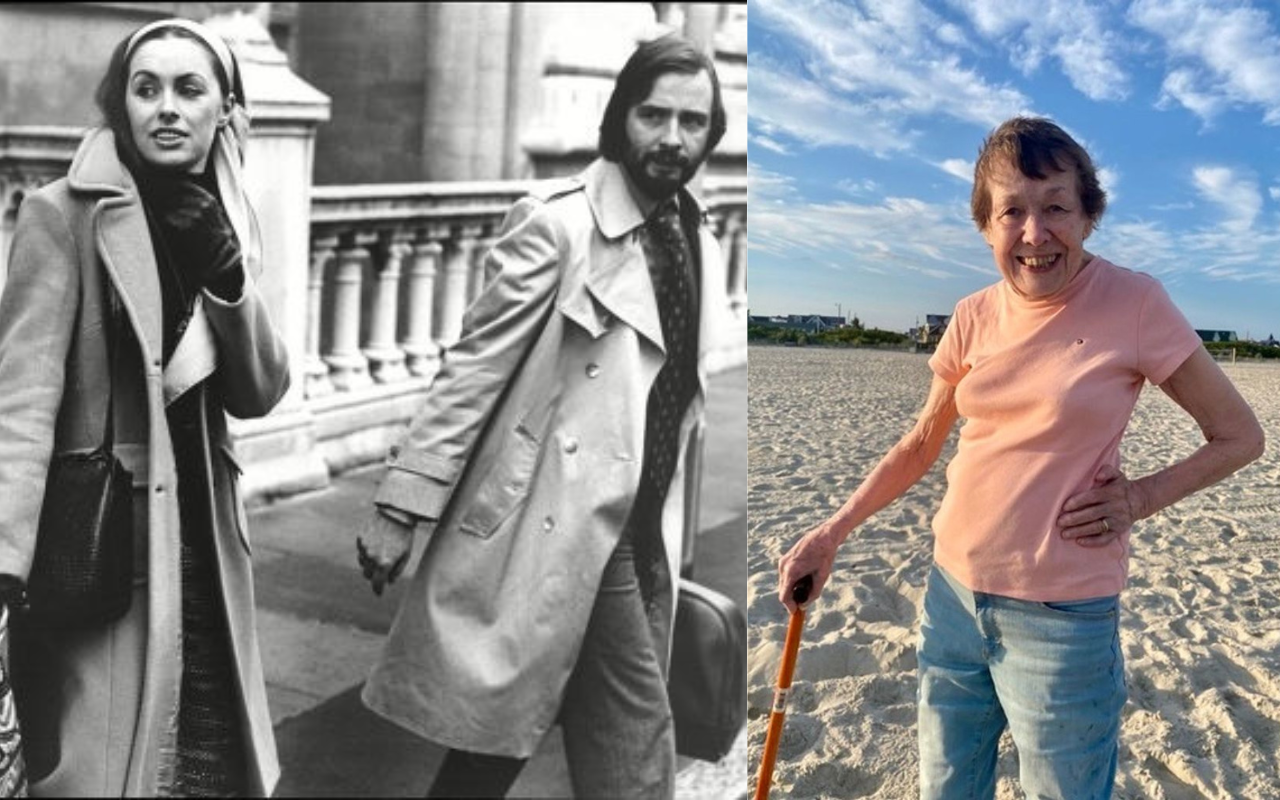
Sheila Buckley Stonehouse A Closer Look at Her Life, Legacy, and Public Interest
Introduction to sheila buckley stonehouse
When people search for “Sheila Buckley Stonehouse,” they are often curious about the woman connected to one of Britain’s most recognizable political figures, John Stonehouse. While public attention frequently focused on the dramatic political scandals and unusual disappearance surrounding John Stonehouse, Sheila Buckley Stonehouse remained a quieter and more private figure. Yet her role in the broader story has continued to interest historians, political observers, and readers fascinated by real-life political drama.
Understanding Sheila Buckley Stonehouse means looking beyond headlines and appreciating the environment in which she lived. She was part of a generation shaped by post-war Britain, changing social expectations, and the pressures that came with political life. Although much of the public narrative has revolved around her husband’s actions, Sheila’s story represents resilience, family responsibility, and dignity under intense scrutiny.
This article explores the life of Sheila Buckley Stonehouse, her connection to British political history, her family life, and the enduring curiosity surrounding her name. It also examines why she continues to be discussed decades later and how public perception has evolved over time.
Who Was Sheila Buckley Stonehouse?
Sheila Buckley Stonehouse is primarily known as the wife of former British politician John Stonehouse, whose extraordinary disappearance in the 1970s became one of the most talked-about political scandals in modern British history. While John Stonehouse occupied the spotlight, Sheila largely maintained a private profile, something that only deepened public fascination with her.
During the years when her husband was active in politics, Sheila played the role expected of many political spouses of that era. Political wives often worked behind the scenes, supporting campaigns, hosting social events, and helping maintain a polished public image. Unlike modern political partners who may actively build public careers of their own, women in Sheila’s generation were frequently expected to remain supportive figures in the background.
Despite this quieter role, Sheila’s life became deeply affected by the controversies surrounding her husband. The emotional impact of living through public scandal cannot be overstated. When John Stonehouse vanished in 1974, many initially feared he had drowned or been murdered. Newspapers across Britain reported the mysterious disappearance sheila buckley stonehouse extensively, and Sheila suddenly found herself at the center of an international media storm.
As more details emerged, the story became even more shocking. It was later revealed that John Stonehouse had faked his own death and assumed another identity in Australia. For Sheila, the situation transformed from tragedy to public humiliation almost overnight. Yet throughout the ordeal, she maintained composure in a situation that would have overwhelmed most people.
The Political Environment Surrounding the Stonehouse Family
To fully understand Sheila Buckley Stonehouse’s public significance, it is important to understand the political atmosphere of Britain during the mid-20th century. The decades following World War II were marked by enormous political and economic changes. British politics was highly competitive, media scrutiny was increasing, and politicians were often treated like celebrities.
John Stonehouse was a member of the Labour Party and held several government positions throughout his career. He was regarded as intelligent, ambitious, and charismatic. For a time, he appeared to embody the modern image of a successful British politician. As his public career expanded, Sheila became part of that political world whether she sought public attention or not.
Political families often lived under significant pressure. sheila buckley stonehouse Public appearances, constant judgment from newspapers, and the expectation of maintaining a respectable image could create enormous emotional strain. While political scandals are common today, the social standards of the 1960s and 1970s made public disgrace particularly severe.
For Sheila, this environment likely sheila buckley stonehouse demanded resilience and emotional endurance. Political spouses were expected to stand beside their partners during difficult moments, often sacrificing personal privacy in the process. This expectation placed a unique burden on women connected to public figures.
The Stonehouse scandal eventually sheila buckley stonehouse became one of the most sensational political stories of its era. Yet amid the drama, Sheila’s perspective was rarely explored in depth. Most media coverage focused on John Stonehouse himself, leaving many readers curious about the woman who experienced the emotional fallout firsthand.
The Shocking Disappearance That Changed Everything
The event most associated with the Stonehouse name occurred in November 1974. During a trip to Miami, John Stonehouse disappeared after leaving his clothes neatly folded on a beach. Authorities initially feared accidental drowning or foul play, and international concern quickly spread.
For Sheila Buckley Stonehouse, the disappearance must have been devastating. Imagine suddenly learning that your spouse had vanished in another country under mysterious circumstances while the entire world watched. Media coverage intensified daily, and speculation dominated newspaper headlines.
The mystery deepened when investigators uncovered evidence suggesting that Stonehouse had planned his disappearance. Eventually, he was found alive in Australia living under an assumed identity. The revelation stunned Britain and transformed the case into a global sensation.
For Sheila, the emotional consequences were likely enormous. Public sympathy initially centered on a grieving wife facing tragedy. But after the truth emerged, that sympathy became complicated by confusion, anger, and embarrassment. Few people can truly understand the emotional weight of discovering that a spouse deliberately staged their own death.
Despite these extraordinary circumstances, Sheila maintained a level of dignity that many observers admired. She did not aggressively seek media attention or attempt to exploit the scandal for personal recognition. Her relatively reserved public behavior contributed to the image of someone handling impossible circumstances with restraint.
The story later inspired documentaries, books, and television dramatizations, ensuring that interest in the Stonehouse family continued long after the original events occurred.
Life Beyond the Headlines
One reason people continue searching for Sheila Buckley Stonehouse is that relatively little information about her personal life exists publicly. In an era dominated by social media and constant celebrity exposure, her privacy feels unusual and intriguing.
Unlike many individuals connected to famous scandals, Sheila never appeared eager to become a public personality herself. This restraint may explain why curiosity about her has endured over time. People naturally wonder about individuals who remain somewhat mysterious, especially when linked to dramatic historical events.
Living beyond the headlines likely required rebuilding personal stability after years of intense media attention. Public scandals can permanently alter family dynamics, friendships, and emotional wellbeing. For spouses caught in these situations, the consequences often continue long after public interest fades.
Another factor contributing to ongoing curiosity is the human side of the Stonehouse story. While political scandals are often discussed in terms of legal or historical significance, they also involve real families coping with betrayal, uncertainty, and public exposure. Sheila represents that personal dimension.
Modern audiences increasingly seek deeper perspectives on historical events, especially stories that once focused almost entirely on male political figures. As a result, people now show greater interest in understanding the experiences of spouses and family members whose voices were previously overlooked.
Media Representation and Public Fascination
The story of John Stonehouse has been revisited several times in television and journalism, keeping public curiosity alive. Whenever a dramatization or documentary appears, audiences often begin searching for information about Sheila Buckley Stonehouse again.
Part of the fascination comes from how unbelievable the story sounds even today. A politician faking his death and secretly starting a new life seems more like a fictional thriller than a real historical event. Yet it genuinely happened, making everyone connected to the case subjects of lasting interest.
Media portrayals have gradually become more nuanced over time. Earlier coverage often sensationalized the scandal itself, focusing heavily on deception and political embarrassment. More recent interpretations tend to examine the emotional experiences of those surrounding the scandal, including Sheila.
This shift reflects broader cultural changes. Audiences today are often more interested in psychological and emotional complexity rather than simple scandal. People want to understand how public crises affect marriages, families, and personal identities.
Sheila’s relative silence has also contributed to her mystique. In modern culture, where many individuals quickly capitalize on public attention through interviews or media appearances, her reserved nature stands out. That quietness has made people even more curious about her perspective.
The Emotional Reality of Political Scandal
Political scandals are frequently analyzed from legal, financial, or historical perspectives, but the emotional reality can be equally significant. Sheila Buckley Stonehouse’s experience highlights the personal cost of public controversy.
Spouses of public figures often face impossible emotional dilemmas. They may experience betrayal privately while simultaneously enduring public scrutiny. Every expression, statement, or appearance can become headline material. Even silence may be interpreted in countless ways.
In Sheila’s case, the situation was exceptionally extreme because the scandal involved disappearance, false identities, international media attention, and criminal investigations. Few political spouses have ever faced circumstances of that magnitude.
Psychologically, such events can create lasting stress and emotional exhaustion. Public humiliation can affect not only marriages but also children, friendships, and professional relationships. The pressure to maintain dignity while dealing with deeply personal pain requires extraordinary emotional strength.
This human dimension explains why Sheila’s name continues attracting interest. People recognize that behind the sensational political story was a real person forced to navigate extraordinary emotional challenges.
Why Sheila Buckley Stonehouse Still Matters Today
Decades after the original scandal, Sheila Buckley Stonehouse remains a subject of public curiosity because her story represents more than political controversy. It touches on themes of loyalty, resilience, public image, and personal survival.
Modern readers often revisit historical scandals to better understand the social attitudes of earlier eras. Sheila’s experience offers insight into how women connected to political figures were expected to behave during moments of crisis. The expectations placed on political wives in the 1970s differed dramatically from those placed on public figures today.
Her story also resonates because it highlights the gap between public narratives and private realities. Newspapers focused heavily on John Stonehouse’s deception, but less attention was given to the emotional consequences experienced by his family. Contemporary audiences are increasingly interested in those overlooked perspectives.
Additionally, there is enduring fascination with stories involving reinvention and disappearance. Cases where public figures attempt to escape their identities naturally attract long-term interest. Because Sheila was directly connected to one of Britain’s most unusual political disappearances, her name remains linked to that historical intrigue.
The internet age has further revived interest in historical personalities who once received limited public attention. Search engines, streaming documentaries, and historical dramas encourage audiences to explore people connected to famous events. Sheila Buckley Stonehouse has therefore become part of a broader cultural rediscovery of historical figures previously overshadowed by larger personalities.
Public Memory and Historical Legacy
Public memory is often selective. Certain individuals become iconic while others connected to the same events fade into the background. Sheila Buckley Stonehouse occupies an unusual position because she is remembered largely through association, yet public interest in her remains significant.
This kind of historical legacy raises important questions about how society remembers political scandals. Often, the central figures dominate historical discussion, while spouses and families become secondary characters. However, modern historical analysis increasingly acknowledges that these individuals also shaped public perception and experienced lasting consequences.
Sheila’s legacy is therefore connected not only to the Stonehouse scandal but also to broader conversations about gender roles, media treatment, and emotional resilience. She represents countless spouses of public figures who endured crises largely outside their control.
Another reason her legacy endures is the timeless nature of the story itself. Themes of deception, identity, ambition, and public disgrace remain compelling across generations. As long as people continue exploring unusual political scandals, interest in Sheila Buckley Stonehouse is unlikely to disappear entirely.
Her story also serves as a reminder that historical events are never purely political. They involve deeply personal human experiences that often remain hidden beneath headlines and official records.
The Continued Interest in the Stonehouse Story
Interest in the Stonehouse family increased again when dramatizations and television adaptations introduced the story to younger audiences unfamiliar with the original events. Many viewers who discovered the case through entertainment media began researching the real individuals involved, including Sheila Buckley Stonehouse.
Television adaptations often focus on emotional relationships as much as historical facts. This approach naturally draws attention toward the spouses and families affected by political scandals. As a result, Sheila’s role in the broader narrative has received greater recognition than it did decades ago.
The modern fascination with true stories also contributes to renewed attention. Audiences are drawn to narratives that blur the line between reality and fiction, and the Stonehouse case fits that category perfectly. The bizarre nature of the disappearance almost feels cinematic, which explains why it continues inspiring books and screen adaptations.
At the same time, people increasingly value authenticity and emotional truth in historical storytelling. Rather than viewing Sheila merely as “the politician’s wife,” many now see her as an important figure within the emotional core of the story.
This shift in perspective reflects changing cultural attitudes about whose experiences deserve attention in historical narratives.
Conclusion:
Sheila Buckley Stonehouse remains an intriguing figure because her life intersected with one of the most unusual political scandals in British history. Although much public attention focused on John Stonehouse, Sheila’s experience offers an equally compelling perspective on resilience, privacy, and emotional endurance under extraordinary circumstances.
Her story reminds us that public scandals always affect more than the central individuals involved. Families, spouses, and loved ones often bear emotional burdens that receive far less public recognition. Sheila’s ability to maintain dignity during intense media scrutiny continues to shape how people remember her today.
The continuing interest in Sheila Buckley Stonehouse also reflects broader cultural changes. Modern audiences want to understand the human side of historical events, not just the sensational headlines. They seek the quieter perspectives that reveal how public crises affect real lives behind closed doors.