






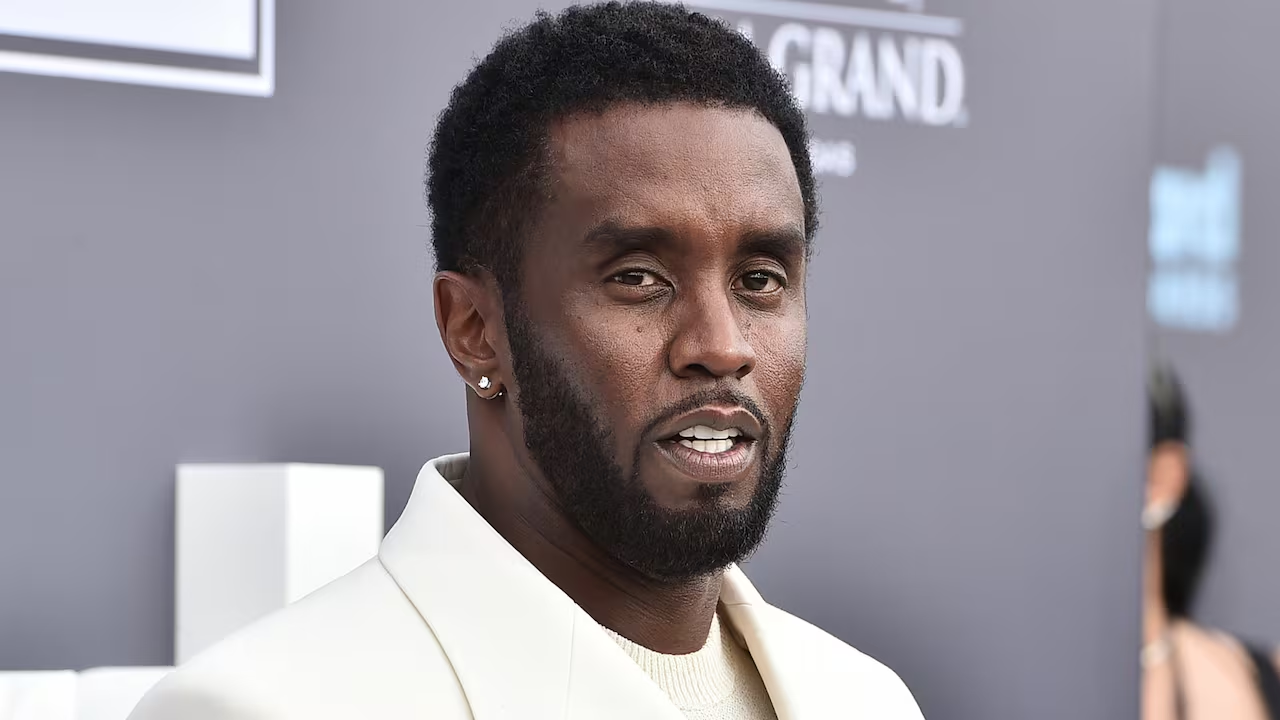
Diddy Sentencing A Deep Dive into the Legal Storm Surrounding Sean Diddy SentencingCombs
Introduction to Diddy Sentencing
The phrase “Diddy sentencing” has rapidly become one of the most searched and debated topics in entertainment and legal circles. When a figure as influential as Sean Combs finds himself entangled in legal controversies, the implications stretch far beyond celebrity gossip. This is not just about one individual—it’s about accountability, power, and how the justice system interacts with high-profile personalities.
For decades, Diddy has been synonymous with success. From Diddy Sentencing building Bad Boy Records into a cultural powerhouse to shaping the careers of multiple artists, his legacy in the music industry is undeniable. However, legal challenges can quickly overshadow even the most celebrated careers. The ongoing discussions around potential sentencing bring forward complex questions about fairness, due process, and media influence.
In this article, we will explore the “Diddy sentencing” topic in depth—examining the background of the case, the legal framework involved, public reaction, and what potential outcomes could mean. The goal is to provide a balanced, expert-level yet accessible perspective on a situation that continues to evolve.
Who Is Sean Combs? Understanding the Man Behind the Headlines
Before diving into the legal aspects, it’s important to Diddy Sentencing understand the figure at the center of the story. Sean Combs, also known as Puff Daddy, P. Diddy, or simply Diddy, is one of the most influential figures in hip-hop history. His career spans decades, encompassing music production, fashion, business ventures, and philanthropy.
Combs rose to prominence in the 1990s as the founder of Diddy Sentencing Bad Boy Records. Under his leadership, the label became home to iconic artists such as The Notorious B.I.G. and Faith Evans. His ability to identify talent and create commercially successful music helped define an era of hip-hop that still influences artists today.
Beyond music, Diddy built an empire that includes fashion brands, beverage partnerships, and media ventures. His entrepreneurial mindset turned him into one of the wealthiest figures in entertainment. However, with great influence often comes intense scrutiny, and over the years, Combs has faced various controversies—some minor, others more serious.
The Legal Landscape: What “Sentencing” Actually Means
When people search for “Diddy sentencing,” they are often trying to understand a specific stage in the legal process. Sentencing is not the beginning of a case—it is typically the final phase, occurring after a conviction or guilty plea. This distinction is crucial because it shapes how the public should interpret the situation.
In legal terms, sentencing involves determining the appropriate Diddy Sentencing punishment for a convicted individual. This can include imprisonment, fines, probation, or a combination of these penalties. The decision is influenced by multiple factors, including the severity of the offense, prior criminal history, and mitigating or aggravating circumstances.
For high-profile individuals like Diddy, sentencing carries additional layers of complexity. Public perception, media coverage, and the potential impact on victims all play indirect roles in shaping the narrative. However, courts are expected to remain impartial, focusing solely on evidence and legal standards rather than public opinion.
Understanding this framework helps clarify why discussions about “Diddy sentencing” can sometimes be misleading. Until a case reaches the sentencing phase, much of what circulates online is speculation rather than confirmed legal outcomes.
Allegations and Legal Challenges: What Sparked the Controversy
The recent surge in attention around Diddy stems from a Diddy Sentencingseries of allegations that have raised serious legal questions. While details may vary depending on the case, such allegations often involve civil lawsuits, criminal investigations, or both.
It is important to approach these claims with caution. Allegations are not the same as convictions, and the legal system is designed to evaluate evidence before reaching conclusions. In high-profile cases, media coverage can blur this distinction, leading to premature judgments by the public.
For Diddy, the situation has become particularly complex due to the number of claims and the intensity of public scrutiny. Each allegation must be examined individually, Diddy Sentencing with courts determining their validity. This process can take months or even years, especially when multiple legal actions are involved.
The term “sentencing” becomes relevant only if these cases result in legal findings against him. Until then, discussions about potential punishment remain hypothetical. Nevertheless, the seriousness of the allegations ensures that the topic remains in the spotlight.
The Role of Media in Shaping Public Perception
Media coverage plays a significant role in how the public interprets the “Diddy sentencing” narrative. From traditional news outlets to social media platforms, information spreads rapidly—often without full context.
One of the biggest challenges in high-profile cases is the balance between transparency and sensationalism. While the public has a right to be informed, the constant flow of updates can create a distorted picture. Headlines may emphasize dramatic elements while overlooking legal nuances.
Social media amplifies this effect. Platforms like Twitter, Instagram, and TikTok allow users to share opinions instantly, sometimes based on incomplete information. This can lead to widespread assumptions about guilt or innocence long before a court reaches a decision.
For someone like Diddy, whose career is deeply tied to public image, media narratives can have significant consequences. Even without a conviction, reputational damage can affect business ventures, partnerships, and personal relationships.
Legal Consequences: What Could Sentencing Look Like?
If a case involving Diddy were to reach the sentencing stage, the outcome would depend on the specific charges and the legal findings. Sentencing is not a one-size-fits-all process; it varies widely based on jurisdiction and the nature of the offense.
Potential consequences could include financial penalties, probation, or imprisonment. Courts may also consider factors such as cooperation with authorities, expressions of remorse, and efforts to address harm caused. In some cases, settlements or plea agreements can influence the final outcome.
For high-profile defendants, sentencing decisions often attract intense public interest. People may expect harsher penalties due to the individual’s influence, while others argue that fame should not affect legal outcomes. Ideally, the justice system operates independently of such pressures.
It’s also worth noting that appeals can follow sentencing. Even after a decision is made, legal battles may continue as defendants challenge the outcome. This means that the story of “Diddy sentencing” could extend far beyond an initial ruling.
The Broader Impact on the Entertainment Industry
The implications of the “Diddy sentencing” discussion extend beyond one individual. The entertainment industry as a whole is increasingly being held accountable for the behavior of its most powerful figures.
In recent years, there has been a growing emphasis on transparency and responsibility. Movements advocating for victims’ rights have encouraged more people to come forward with allegations, leading to significant changes in how cases are handled.
For industry leaders, this shift represents both a challenge and an opportunity. On one hand, it exposes long-standing issues that were previously overlooked. On the other hand, it creates a path toward a more ethical and accountable environment.
Diddy’s situation serves as a reminder that no one is immune to scrutiny. Regardless of status or achievements, individuals must answer to the same legal standards as everyone else. This principle is essential for maintaining trust in both the justice system and the industry.
Public Reaction: Divided Opinions and Ongoing Debate
Public reaction to the “Diddy sentencing” topic has been deeply divided. Some people view the allegations as a serious matter that demands accountability, while others emphasize the importance of due process and the presumption of innocence.
Fans, critics, and commentators all bring their own perspectives to the discussion. For long-time supporters of Diddy, the situation can be difficult to reconcile with his contributions to music and culture. Meanwhile, others argue that influence should not shield anyone from consequences.
This divide is further amplified by online discourse. Social media platforms often become battlegrounds for competing narratives, with users debating the credibility of claims and the fairness of potential outcomes.
Such debates highlight the complexity of high-profile legal cases. They are not just legal matters—they are cultural moments that reflect broader societal values and tensions.
Lessons from Similar High-Profile Cases
To better understand the potential trajectory of the “Diddy sentencing” situation, it can be helpful to look at similar cases involving celebrities. History shows that outcomes can vary widely, depending on the evidence and legal strategies involved.
Some cases result in convictions and significant penalties, while others are resolved through settlements or dismissed due to lack of evidence. Each case is unique, shaped by its specific circumstances.
One key takeaway is that public opinion does not determine legal outcomes. While media coverage can influence perceptions, courts rely on evidence and legal arguments. This distinction is crucial for maintaining fairness and justice.
Another important lesson is the long-term impact of such cases. Even after legal proceedings conclude, reputational effects can persist, influencing careers and public perception for years to come.
The Importance of Due Process
At the heart of the “Diddy sentencing” discussion is the principle of due process. This fundamental aspect of the legal system ensures that individuals are treated fairly and that decisions are based on evidence rather than speculation.
Due process includes the right to a fair trial, the presumption of innocence, and the opportunity to present a defense. These protections are essential, especially in high-profile cases where public scrutiny is intense.
It can be tempting to form opinions based on headlines or social media posts, but doing so undermines the integrity of the legal system. True justice requires patience and careful evaluation of facts.
For observers, this means approaching the situation with a balanced perspective—acknowledging the seriousness of allegations while respecting the legal process.
What Comes Next: The Future of the Case
As of now, the “Diddy sentencing” narrative remains a developing story. Legal proceedings can take time, and outcomes are often uncertain until the final stages.
Future developments may include court hearings, settlements, or additional investigations. Each step will provide more clarity, shaping the direction of the case.
For Diddy, the stakes are high. Beyond potential legal consequences, the outcome will influence his legacy and standing in the entertainment industry. Regardless of the result, the situation marks a significant chapter in his career.
For the public, the key is to stay informed while avoiding premature conclusions. Reliable information and careful analysis are essential for understanding such complex issues.
Conclusion:
The topic of “Diddy sentencing” is more than just a trending search term—it is a multifaceted issue that touches on law, media, and culture. While the details continue to unfold, the situation offers valuable insights into how society handles high-profile legal cases.
Sean Combs remains a central figure in this story, but the broader implications extend far beyond him. Questions about accountability, fairness, and media influence are at the forefront, shaping how the public engages with the القضية.
Ultimately, the outcome will depend on the legal process. Until then, discussions about sentencing should be approached with caution and respect for due process. In a world driven by instant information, patience and critical thinking are more important than ever.