


Brandon Blackstock Illness What We Know, What We Don’t, and Why It Matters
Introduction to Brandon Blackstock Illness
When conversations around celebrity health Brandon Blackstock Illness emerge, they often carry a mix of concern, speculation, and curiosity. The case of Brandon Blackstock is no different. Known primarily as a music manager and for his past marriage to Kelly Clarkson, Blackstock has remained a relatively private figure despite his proximity to the spotlight.
Over the years, rumors and questions about his health—often framed as “Brandon Blackstock illness”—have surfaced online. These discussions tend to intensify whenever he steps away from public view or when updates about his personal life emerge. However, separating fact from speculation is essential, especially when dealing with something as Brandon Blackstock Illness sensitive as an individual’s health.
This article takes a grounded, expert-style look at what is publicly known, what remains unconfirmed, and how the broader conversation reflects our relationship with celebrity privacy. Instead of feeding into rumors, we’ll explore the situation thoughtfully, offering clarity and context.
Who Is Brandon Blackstock? A Brief Background
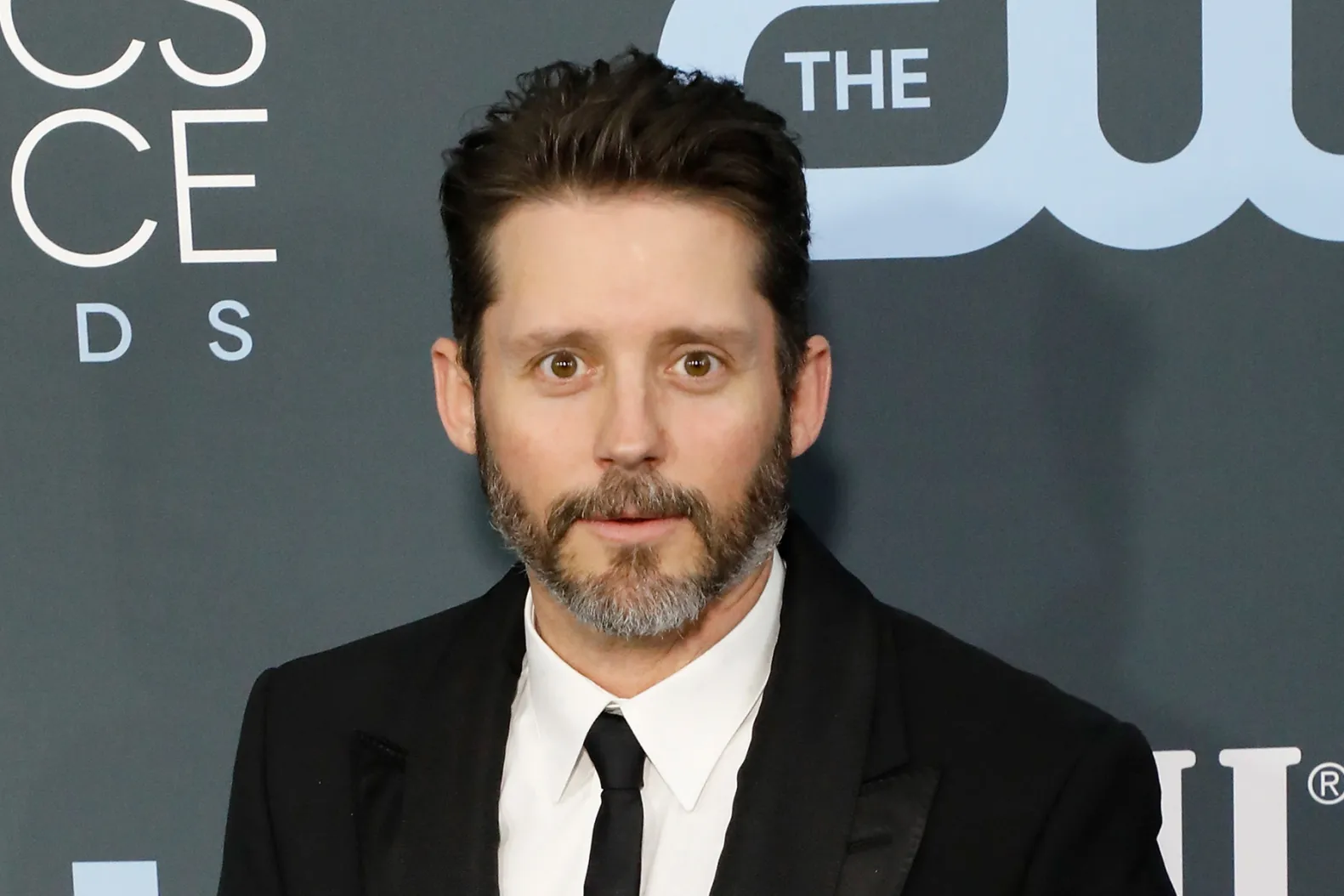
Before diving into discussions about his health, Brandon Blackstock Illness it’s important to understand who Brandon Blackstock is and why people are Brandon Blackstock Illness interested in him in the first place. Blackstock built his career as a talent manager, Brandon Blackstock Illness working with major names in the music industry. He comes from a family deeply rooted in entertainment, being the son of Narvel Blackstock.
His professional life has largely revolved around managing artists and navigating the complexities of the entertainment business. While not a performer himself, Brandon Blackstock Illness his influence behind the scenes has been significant. This role, however, also means that much of his life remains out of the public eye.
Public attention toward Blackstock increased significantly during his marriage to Kelly Clarkson. Their relationship, followed by a highly publicized divorce, brought his name into mainstream conversations. Naturally, this increased visibility also led to more curiosity about his personal life, including his health.
It’s worth noting that unlike many celebrities who actively engage with media, Blackstock has generally maintained a low profile. This makes any rumors about his health Brandon Blackstock Illness more difficult to verify and easier to misinterpret.
The Origin of “Brandon Blackstock Illness” Rumors
The phrase “Brandon Blackstock illness” didn’t emerge from a single confirmed announcement. Instead, it appears to have developed gradually through online speculation, social media chatter, and occasional tabloid reports.
In many cases, such rumors begin when a public figure reduces their visibility. For Blackstock, periods of stepping back from professional or public engagements may have contributed to assumptions about his health. In the absence of clear information, people tend to fill the gaps with speculation.
Another factor is the intense scrutiny that followed his divorce from Kelly Clarkson. During that period, nearly every aspect of his life was examined, including financial matters, personal relationships, and lifestyle changes. It’s not uncommon for health rumors to surface in such high-pressure, highly visible situations.
However, it’s crucial to emphasize that speculation does not Brandon Blackstock Illness equal confirmation. As of now, there has been no widely verified, detailed public statement confirming a serious illness. This distinction is important for maintaining accuracy and respecting personal boundaries.
What Has Been Publicly Confirmed?
When it comes to verified information, there is actually very Brandon Blackstock Illness little publicly confirmed about any specific illness affecting Brandon Blackstock. Unlike some celebrities who openly share health struggles, Blackstock has chosen to keep such matters private.
There have been occasional reports suggesting that he has faced health challenges, but these claims often lack direct confirmation from reliable, primary sources. Without statements from Blackstock himself or official representatives, such reports remain unverified.
In the world of journalism and credible reporting, confirmation Brandon Blackstock Illness matters. A piece of information is only considered reliable when it is supported by direct evidence or credible sources. In this case, the lack of clear confirmation means that any claims about a specific illness should be treated cautiously.
This doesn’t mean that the rumors are necessarily false—Brandon Blackstock Illness it simply means they are not substantiated. There’s a significant difference between the two, and it’s a distinction that often gets lost in online discussions.
The Role of Privacy in Celebrity Health Matters
One of the most overlooked aspects of conversations like this is the role of privacy. Just because someone is connected to the entertainment industry does not mean they are obligated to disclose personal health information.
Health is deeply personal. For many individuals, including public figures, choosing not to share medical details is a way of maintaining control over their lives. In Blackstock’s case, his relatively private nature suggests that he values this boundary.
The public, however, often feels entitled to information about celebrities. This expectation can create pressure and lead to invasive speculation. While curiosity is Brandon Blackstock Illness natural, it’s important to balance it with respect.
In fact, many experts in media ethics argue that discussions about unconfirmed health issues can be harmful. They can spread misinformation, cause unnecessary चिंता, and invade personal boundaries. In this context, respecting Blackstock’s privacy is not just considerate—it’s essential.
How Media and Social Platforms Amplify Health Rumors
The digital age has transformed how information spreads. Brandon Blackstock Illness Social media platforms, blogs, and online forums can amplify rumors at an unprecedented speed. A single unverified claim can quickly evolve into a widely accepted “fact.”
In the case of Brandon Blackstock, this dynamic is clearly visible. Brandon Blackstock Illness Searches related to his illness often lead to speculative articles or discussions rather than verified information. These sources may present assumptions as facts, contributing to confusion.
Another issue is the repetition effect. When the same rumor appears across multiple platforms, it can create the illusion of credibility. People may assume that widespread Brandon Blackstock Illness discussion equals truth, even when all sources trace back to the same unverified origin.
Understanding this phenomenon is key to navigating such topics responsibly. It reminds us to question sources, look for confirmation, and avoid jumping to conclusions based on incomplete information.
The Impact of Personal Life Events on Public Perception
It’s impossible to discuss Brandon Blackstock without Brandon Blackstock Illness acknowledging the impact of his divorce from Kelly Clarkson. Their separation was highly publicized and involved legal battles that attracted significant media attention.
During such periods, public perception can shift dramatically. People often interpret unrelated aspects of a person’s life—such as their appearance or activity level—through the lens of ongoing events. This can lead to assumptions about health or well-being.
Stress, for example, can affect anyone’s lifestyle, Brandon Blackstock Illness behavior, and public presence. However, attributing these changes directly to illness without evidence is a leap. It highlights how easily narratives can form without solid grounding.
This intersection of personal events and public Brandon Blackstock Illness speculation plays a major role in why topics like “Brandon Blackstock illness” gain traction. It’s less about confirmed facts and more about perceived patterns.
Why People Are So Interested in Celebrity Health
The fascination with celebrity health isn’t new. From actors to musicians to industry insiders, the public has long been interested in the well-being of those in the spotlight.
Part of this interest stems from relatability. When a public figure faces health challenges, it humanizes them. It reminds audiences that celebrities, despite their fame, experience the same vulnerabilities as everyone else.
Another factor is emotional investment. Fans often Brandon Blackstock Illness feel connected to celebrities, especially when they’ve followed their careers or personal lives closely. This connection can lead to genuine concern when rumors of illness arise.
However, there’s also a less positive side. Curiosity can sometimes cross into intrusion, especially when it involves unverified or sensitive information. Striking a balance between concern and respect is key.
The Importance of Responsible Information Consumption
In an era of constant information flow, being a responsible consumer of content is more important than ever. This is particularly true when it comes to topics like health, where misinformation can have real consequences.
When encountering claims about Brandon Blackstock’s illness, it’s helpful to ask a few key questions:
- Is the information coming from a credible source?
- Has it been confirmed by the individual or their representatives?
- Are multiple independent sources reporting the same verified details?
If the answer to these questions is no, it’s best to approach the information with caution. Sharing or believing unverified claims can contribute to the spread of misinformation.
Responsible consumption also means recognizing the limits of what we know. In some cases, the most accurate answer is simply that there isn’t enough confirmed information available.
Separating Concern from Speculation
It’s natural to feel concern when Brandon Blackstock Illness hearing about potential health issues, especially involving someone connected to widely known figures. However, concern should not automatically lead to speculation.
Speculation often fills the gaps left by a lack of information, but it can quickly become misleading. In the case of Brandon Blackstock, much of the discussion around his illness falls into this category.
A more constructive approach is to focus on verified facts and respect the unknowns. This doesn’t mean ignoring the topic altogether—it simply means engaging with it thoughtfully and responsibly.
By doing so, we contribute to a more accurate and respectful conversation, rather than one driven by assumptions and rumors.
Conclusion:
After examining the available information, one thing becomes clear: there is no widely confirmed, detailed public account of a specific illness affecting Brandon Blackstock. Most discussions on the topic are based on speculation rather than verified facts.
This doesn’t diminish the possibility that he may have faced health challenges—it simply means that such matters have not been publicly disclosed in a reliable way. And that’s a choice that deserves respect.
The broader conversation around “Brandon Blackstock illness” serves as a reminder of how quickly rumors can spread and how important it is to approach such topics with care. In a world where information is readily available but not always accurate, critical thinking is essential.